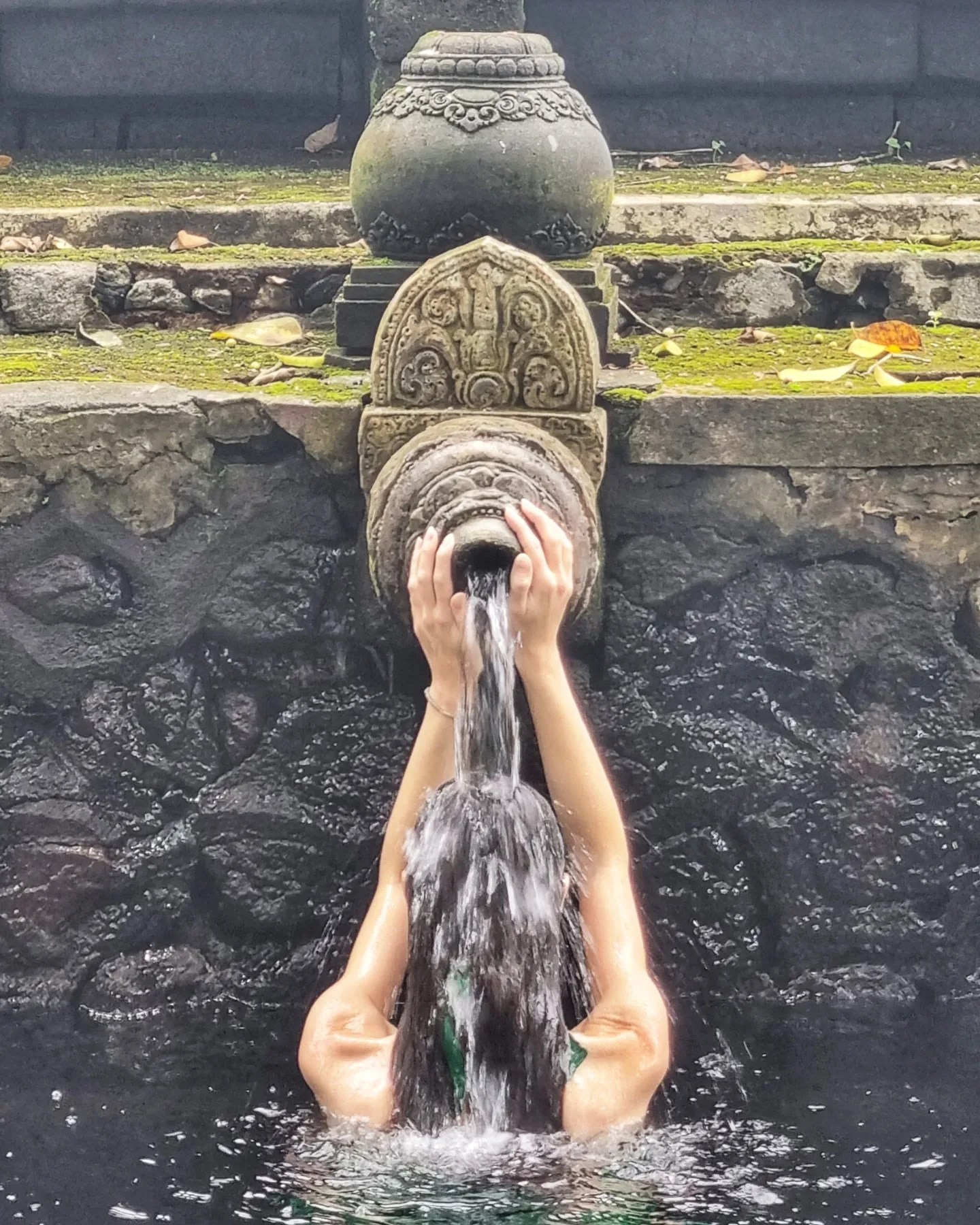
I wanted to write a rather personal article about my feelings towards the town of Ubud. I was very pleasantly surprised on my first trip; it went very well despite some inconveniences at a hotel that I won’t write about here. As I’ve always said, I’m not here to criticise a place or tell you anything about something I don’t like/didn’t like.
Ever since I was a little girl I’ve felt things very strongly, a little more than the average person, and having to live with my hypersensitivity isn’t easy every day. I have to pay attention to places that are steeped in history, and believe me, in Ubud it was impossible to escape my hypersensitivity.
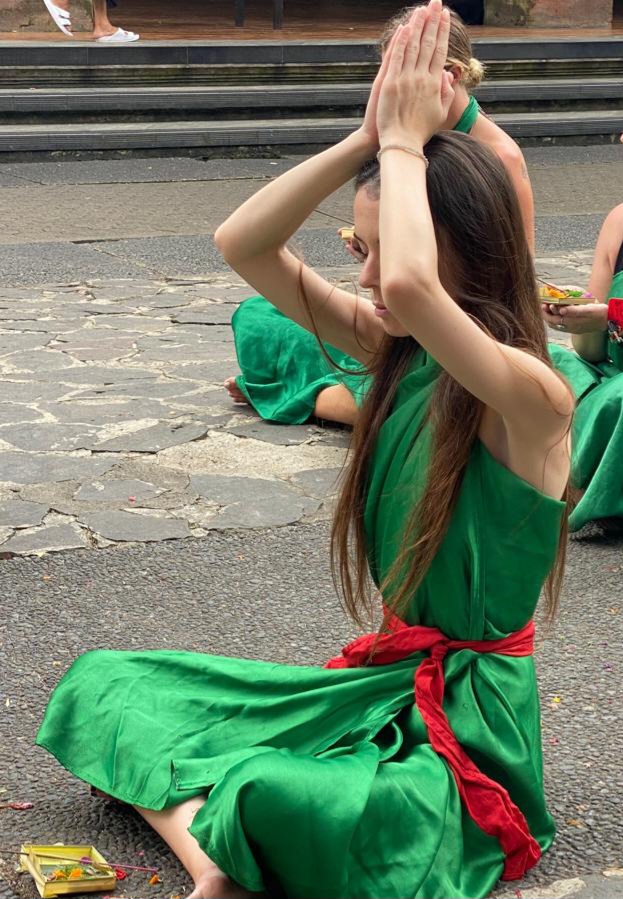
Let’s take the hotels first, now you know one of the reasons why I had to leave my first hotel in Ubud as quickly as possible.
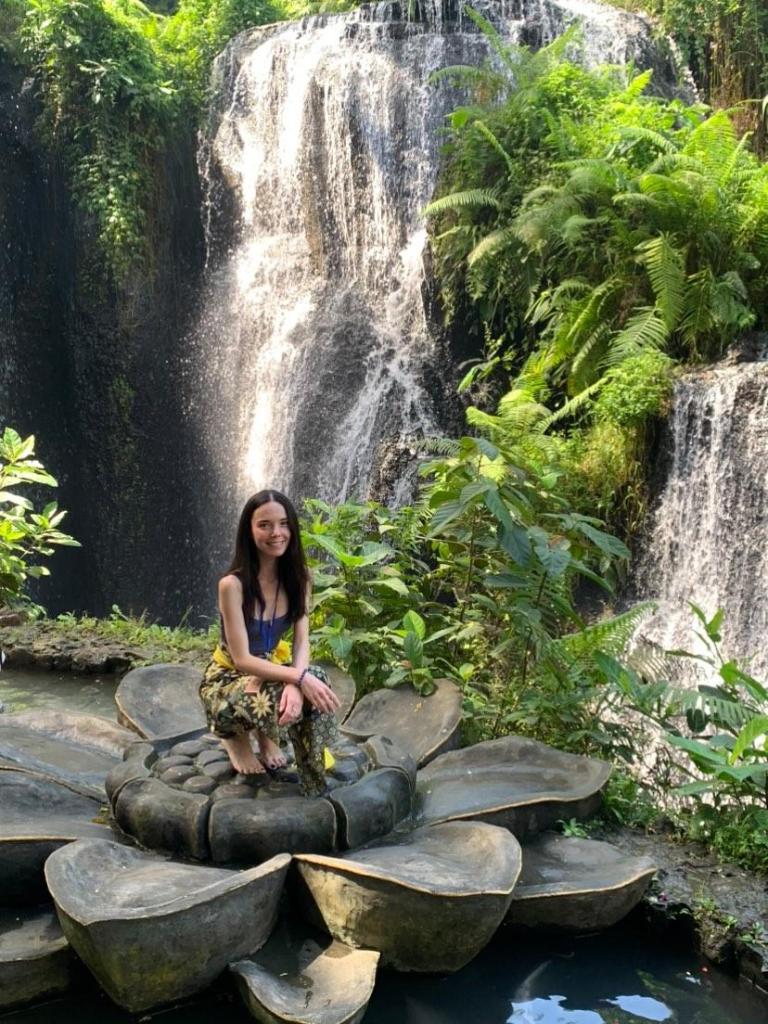
Now let’s talk about my second trip. Before settling into my first staycation, Ada and I went to Griya Beji Waterfall and then Goa Gajah.
I landed during a ceremony at the Waterfall, and I can still hear the screams of the people performing the ceremony. For me, it was difficult to have so many people and so much shouting around me, it had quite an impact on me – it was to exorcise their moral pain.
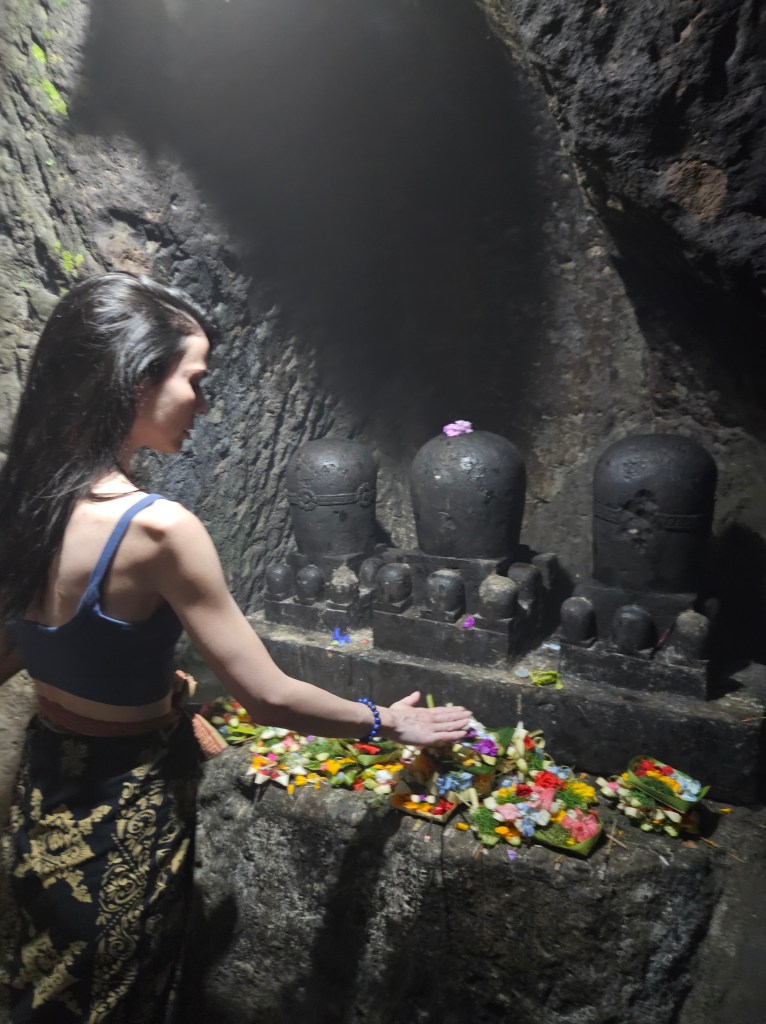
I felt very heavy coming out of the ceremony, a big weight on my shoulders. We took the car and ate before heading off to Goa Gajah. The Goa temple is one of the first Buddhist temples on the island. I went into the cellar at the feet of the elephant. And that was the straw that broke the camel’s back: my stomach and chest hurt for two days after I went there. The effect was quite direct, and I had a hard time getting rid of it as I didn’t have my own little tricks to get rid of what had to go and purify my hotel room (be careful when you burn palo santo or white sage in a hotel, think of the smoking detector and the smell of white sage).
Basically, my pain lasted until my next stay-cation. After that it calmed down a bit. This experience was very strong for me, especially in Bali. If you’re as sensitive as I am, Ubud is full of history and energy of all kinds. Bali is a very spiritual island, so if you’re having problems putting off your trip to the island, it’s probably because you’re not ready to embark on your spiritual journey and it would be better to take this as a sign that you can postpone your trip.
Let’s talk a little about sarongs, the magnificent, colourful pareos that the locals wear from Thursday to Sunday and on the evenings of full moons – there are two full moons a month, the new moon and the full moon.
But that’s not all: there are also ceremonies in the temples. As a tourist or expat, you should be aware that it is imperative to wear a sarong when visiting the temples. If you don’t have one, you can find them everywhere at the Ubud market, and the locals at the entrances to the temples will have some for you. Personally, I’d love to buy the lace top that the women wear with the sarong, with the belt over it. At immigration I’ve seen people in sarongs, but it’s mainly the staff who hand out sarongs to tourists/expats who aren’t dressed according to the conditions imposed to enter the state building that is immigration. A sense of the values of the country you live in is very important for social awareness.
The little extras:
When you see the little baskets of offerings on the ground, please pay attention, they are offerings.
 Travel with Mi